
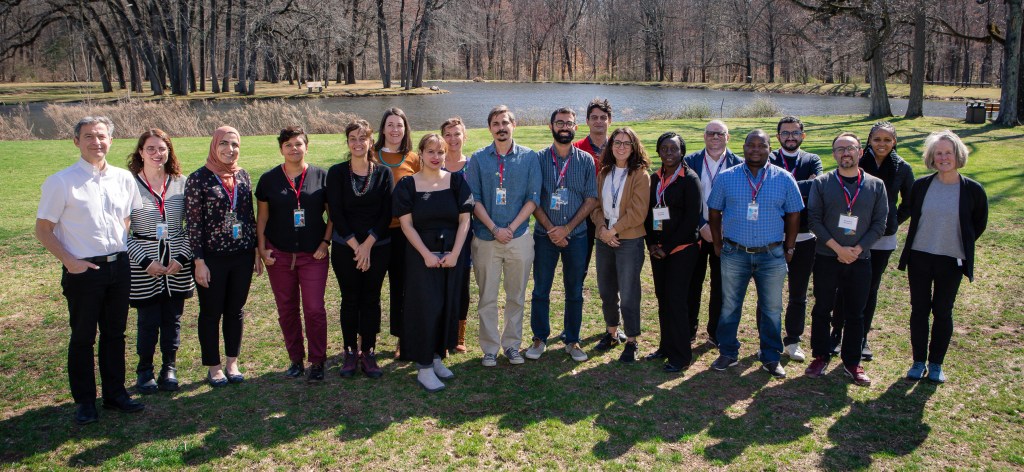
Designed to bring together twenty early-career scholars from Africa, the Middle East and Designed to bring together twenty early-career scholars from Africa, the Middle East and Latin America, the Summer Program in Social Science aims to enrich and expand the realm of the social sciences through the confrontation of different intellectual traditions and perspectives, to facilitate and enhance the dialogue between various scientific disciplines and communities, and to strengthen international networks across continents. Special attention is paid to local contexts of production and global modalities of circulation of knowledge. Participants are invited to exchange their research experiences with their constraints, challenges and expectations.
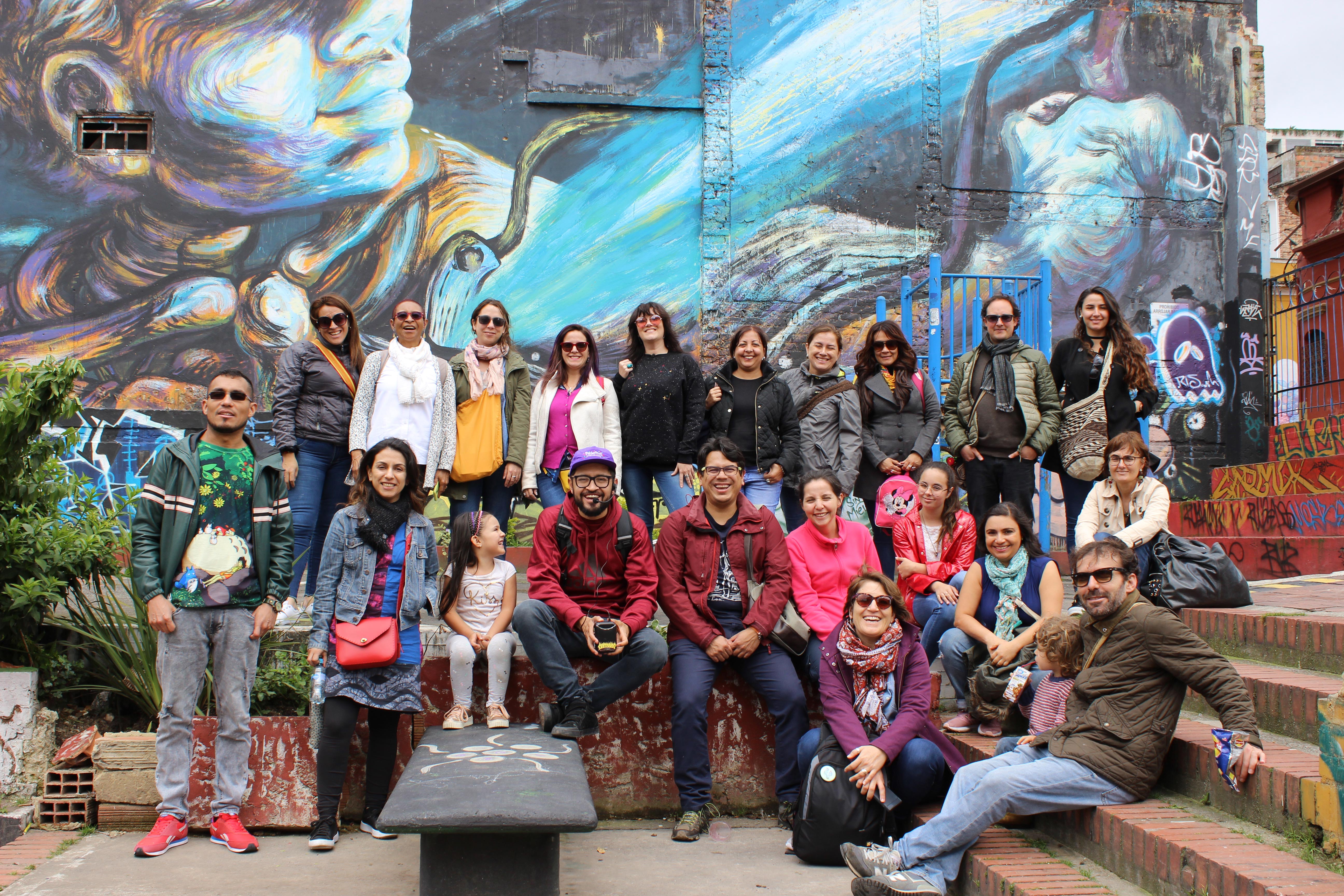
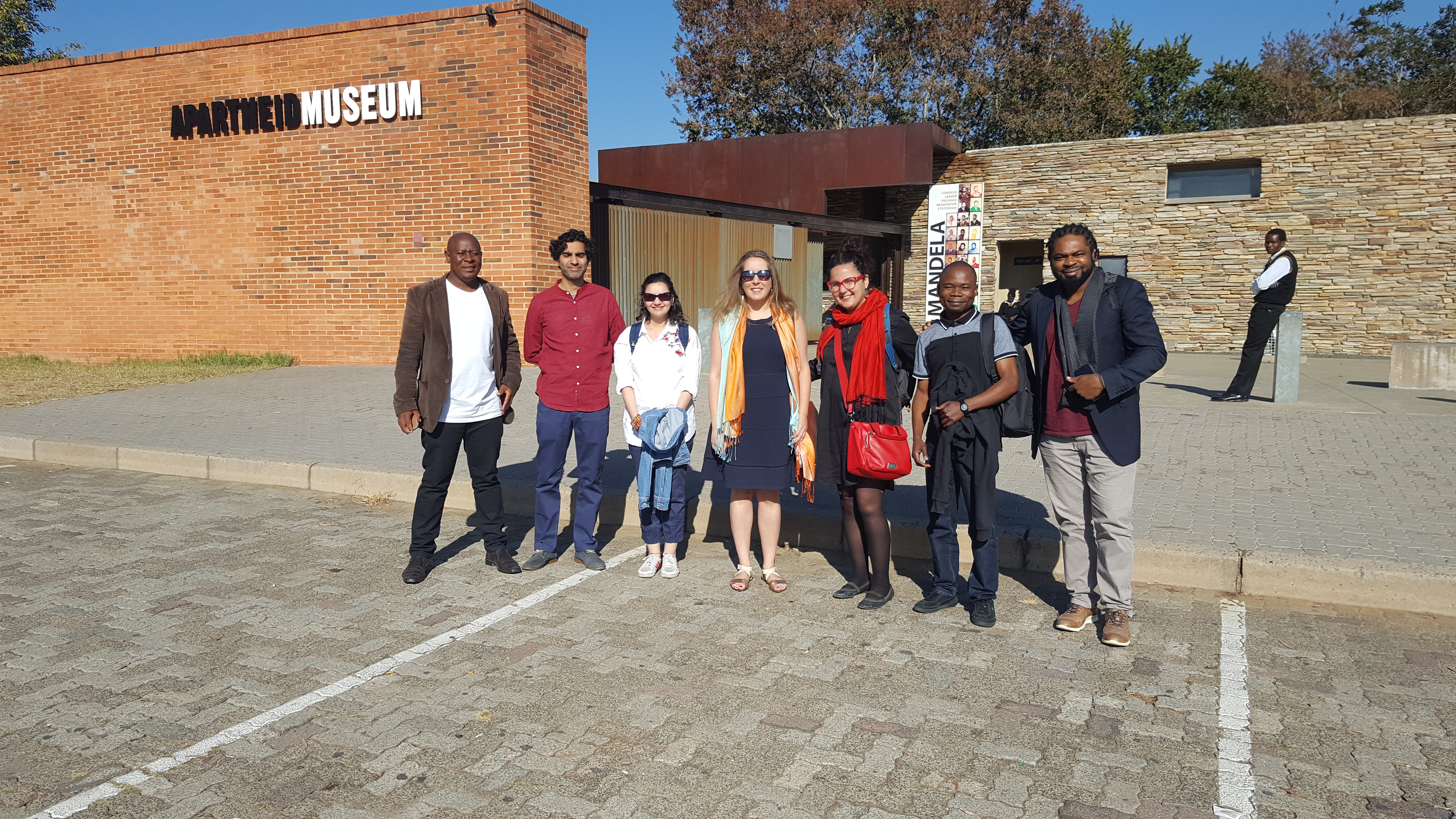
Organized by the School of Social Science and developed by Didier Fassin, James D. Wolfensohn Professor, the program is conducted in collaboration with the Wits Institute for Social and Economic Research (WISER) at the University of the Witwatersrand, in Johannesburg, and the Escuela de Estudios de Género (EEG) and Centro de Estudios (CES) at the Universidad Nacional de Colombia, in Bogotá. Funded by the Mellon Foundation, it is composed of three two-year cycles. The first year, a two-week session takes place at the Institute and the second year, one-week workshops are held at the two collaborating institutions in South Africa and Colombia. A total of sixty scholars have benefited from the program and many among them have continued intellectual exchanges after their time in the program.
The scholars invited to participate in the current cycle have gone to a selection process. Their disciplines are history, anthropology, sociology, geography, economics, law, political science, and literary studies. Their research topics include the care of disabled persons in Brazil, the discourse on indigenous people in Argentina, the transportation infrastructure in Colombia, the resistance to extractive industries in Latin America, the everyday life under an authoritarian regime in Angola, the violence of mafias in Nigeria, the public life of secret societies in Cameroon, the social life of mining communities in Zimbabwe, the experience of Palestinian women imprisoned in Israel, the resilience of the population during the Syrian crisis in Lebanon, the Arab uprising seen from the perspective of farmers in Egypt, the ethics and politics of Sufi shrines in Pakistan, the humanitarian approach to migrant working children in Mexico and India.
 DIDIER FASSIN